
Control iron & scale with clamp-on magnetic treatment
Iron fouling:
Steel pipe sheds iron into the water.
87% lower iron at LAX
June–December 2024 readings. View the study
01 / The problem
Deposits reduce cooling performance
In water loops, fine iron can pass through filters and collect in equipment. In cooling towers, mineral scale can build up on cooling surfaces. Both can reduce performance and increase cleaning needs.
- Frequent filter service
- Filters load up and strainers need cleaning more often
- Plugged heat exchangers
- Deposits on the plates cut heat transfer and cooling capacity
- Hard scale deposits
- Mineral scale builds up in cooling towers and condensers and is hard to remove
- Sludge in slow pipe
- Iron settles where the water slows, then breaks loose later
- Repeat cleanings
- Deposits return after cleaning, adding service work and downtime
02 / How HydroFlux works
A magnetic bracelet that clamps onto your pipe
HydroFlux clamps onto suitable existing pipe. For iron fouling, it helps fine particles gather for downstream filtration. For cooling tower scale, we assess changes in deposit behavior and ease of removal. The bracelet adds no chemicals and needs no power.
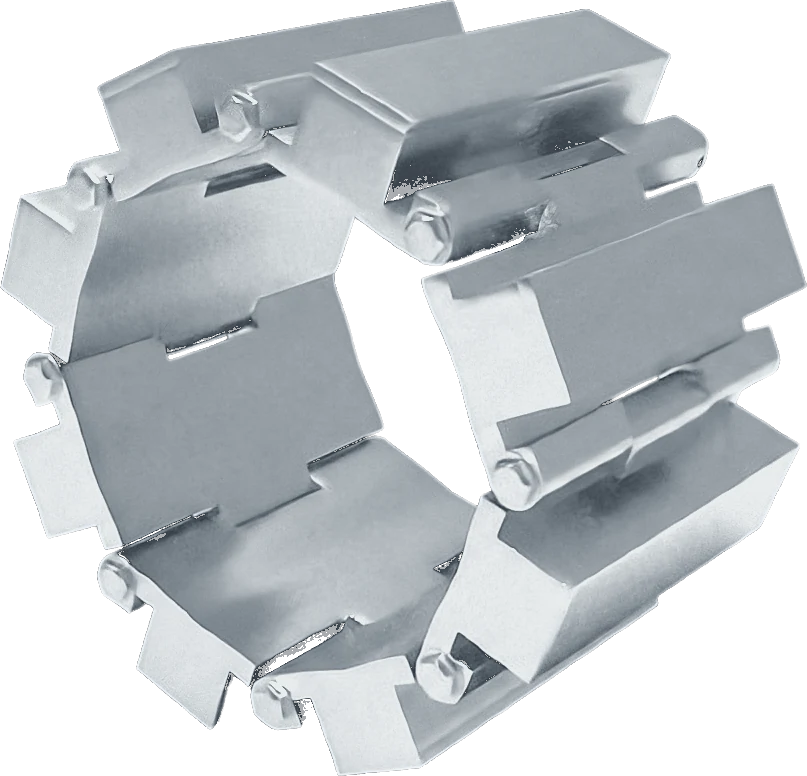
- Halbach magnetic array
- Patented arrangement that focuses the field into the pipe
- Iron capture
- Fine iron gathers into larger particles for downstream filtration
- Clamps on
- Hinged links close around suitable existing pipe
- Passive bracelet
- The bracelet needs no electrical power
- Adds no chemicals
- Works with your approved water treatment program
03 / Applications
Two applications
Iron fouling in water loops
HydroFlux helps fine iron gather into larger particles that your strainers and filters can catch.
It fits loops where water samples or captured material show iron, and where a strainer, bag, cartridge or sand filter sits on the loop or a side stream.
A trial tracks iron levels, filter loading and cleaning.
Explore iron treatmentCooling tower scale
We assess whether HydroFlux changes how mineral deposits build up and how easily they come off.
A nine-day pilot reported softer, more easily removed deposits on the treated tube. Before a trial we review your water chemistry, deposits and current treatment program.
A trial tracks deposits and cleaning. Any water savings need separate measurement.
Explore cooling tower treatment04 / Iron field evidence
87%
Sampled iron fell from 3.9 to 0.51 ppm
LAX Terminal 5
June–December 2024 readings
Live airport chilled water plant
Read the field study
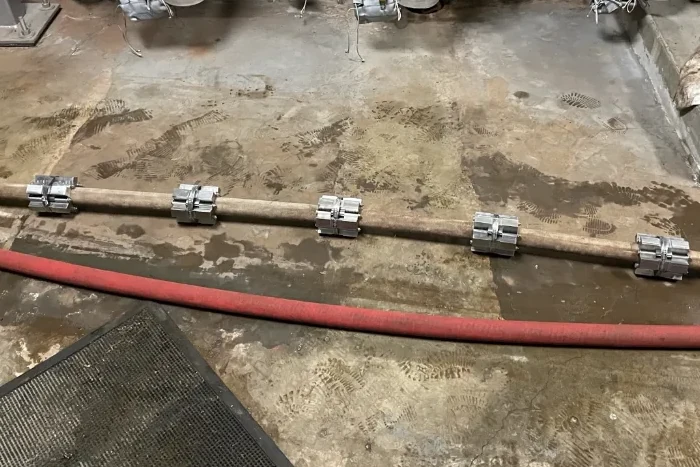
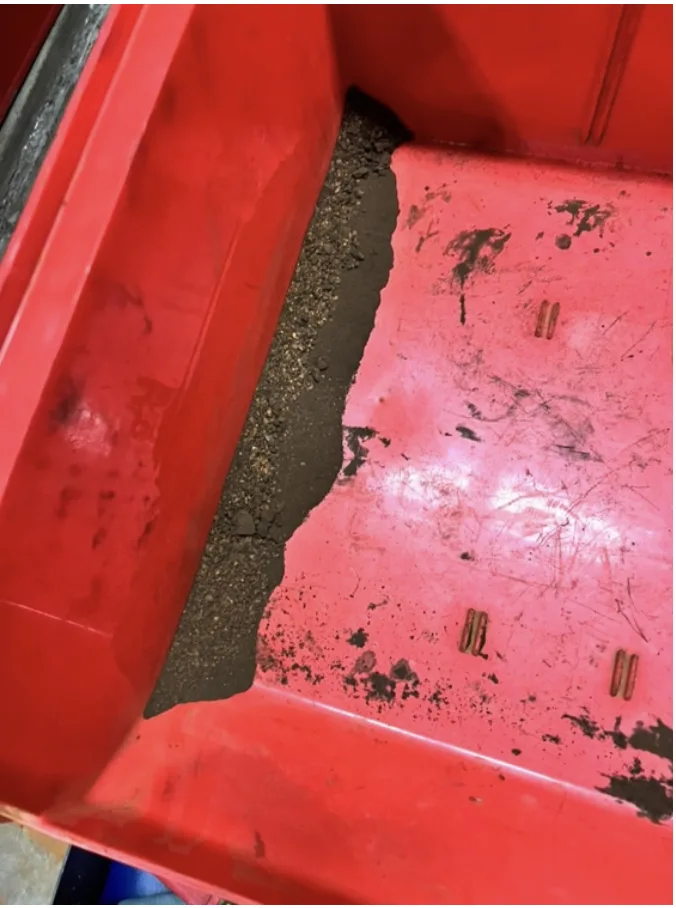
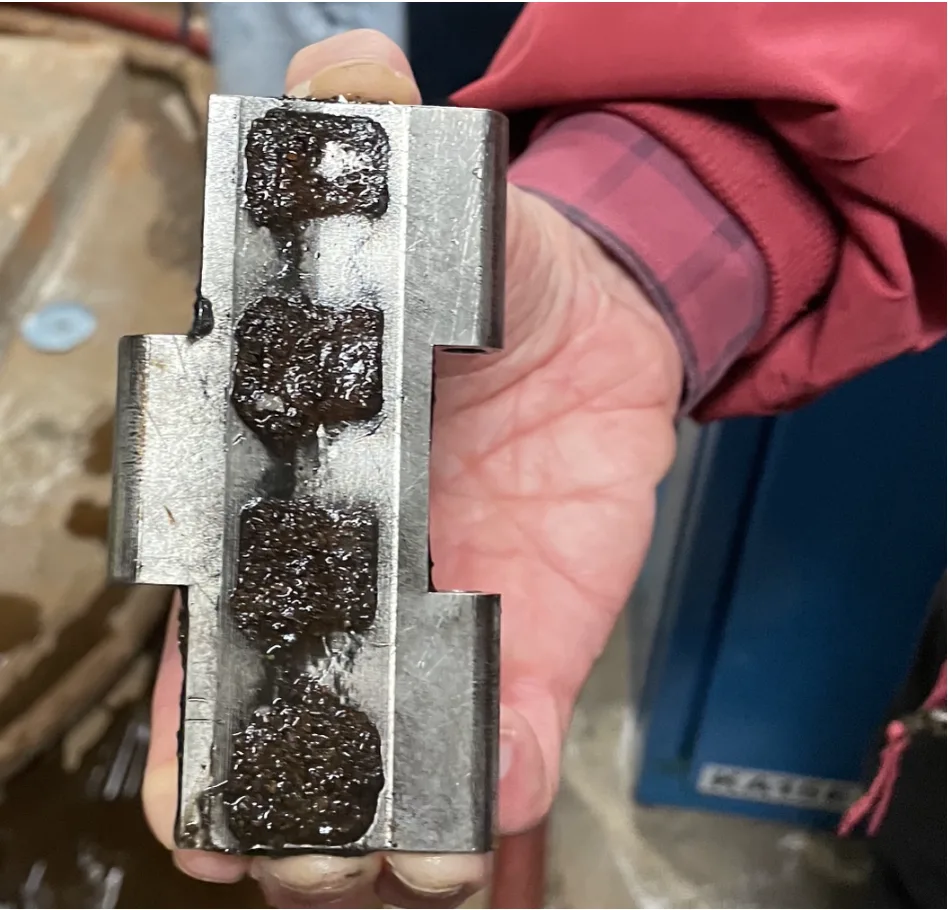
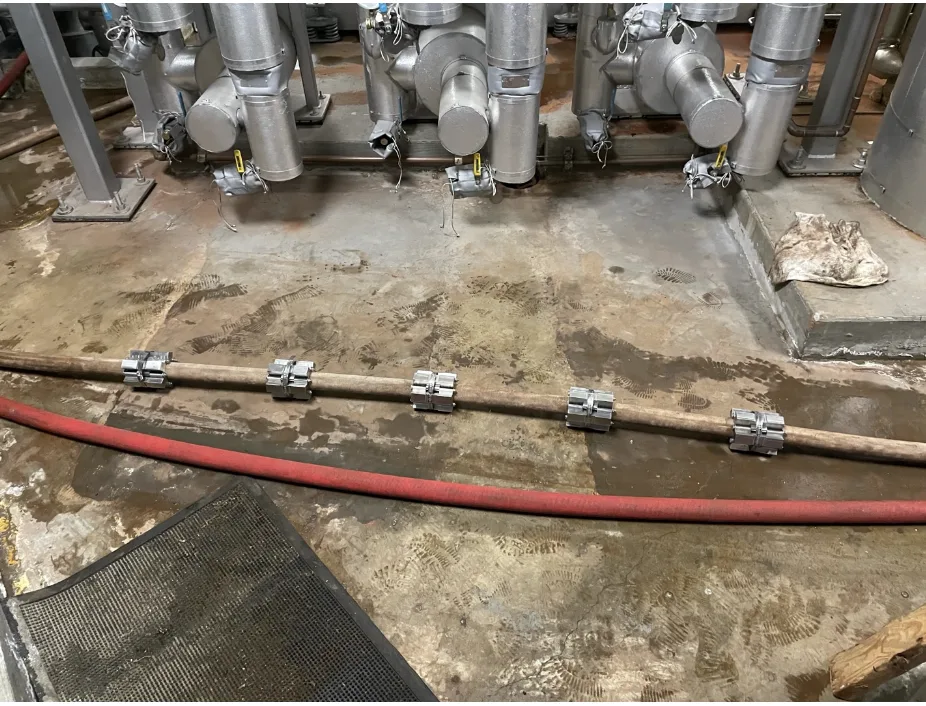
Fig. 1 / Five HydroFlux bracelets on the Terminal 5 filter side stream
Fig. 2 / Iron-rich sludge captured in the filter housing
Fig. 3 / One magnetic link after removal, holding iron
05 / Where it fits
- AirportsCentral plants run large chilled water loops around the clock
- Data centersInstallation planning starts with keeping critical cooling available
- CampusesLarge water loops and cooling towers serve many buildings
- Commercial real estateFouled coils turn into comfort complaints and lease renewal risk
- HospitalsCentral plants run every hour of the year, so maintenance windows are short

“Building owners can save water, save money, and put clean water back into the system, all while potentially improving their LEED certification which helps attract new tenants at higher rates.”
06 / Discuss your system
Tell us what you’re seeing
- 1 / Tell us about iron fouling, cooling tower scale or repeated cleaning, and how often it happens.
- 2 / We look at it and tell you what information is missing, such as system type, filtration, flow and water data.
- 3 / If HydroFlux could fit, we propose a technical assessment. We then agree on a trial scope and measures of success with your team.